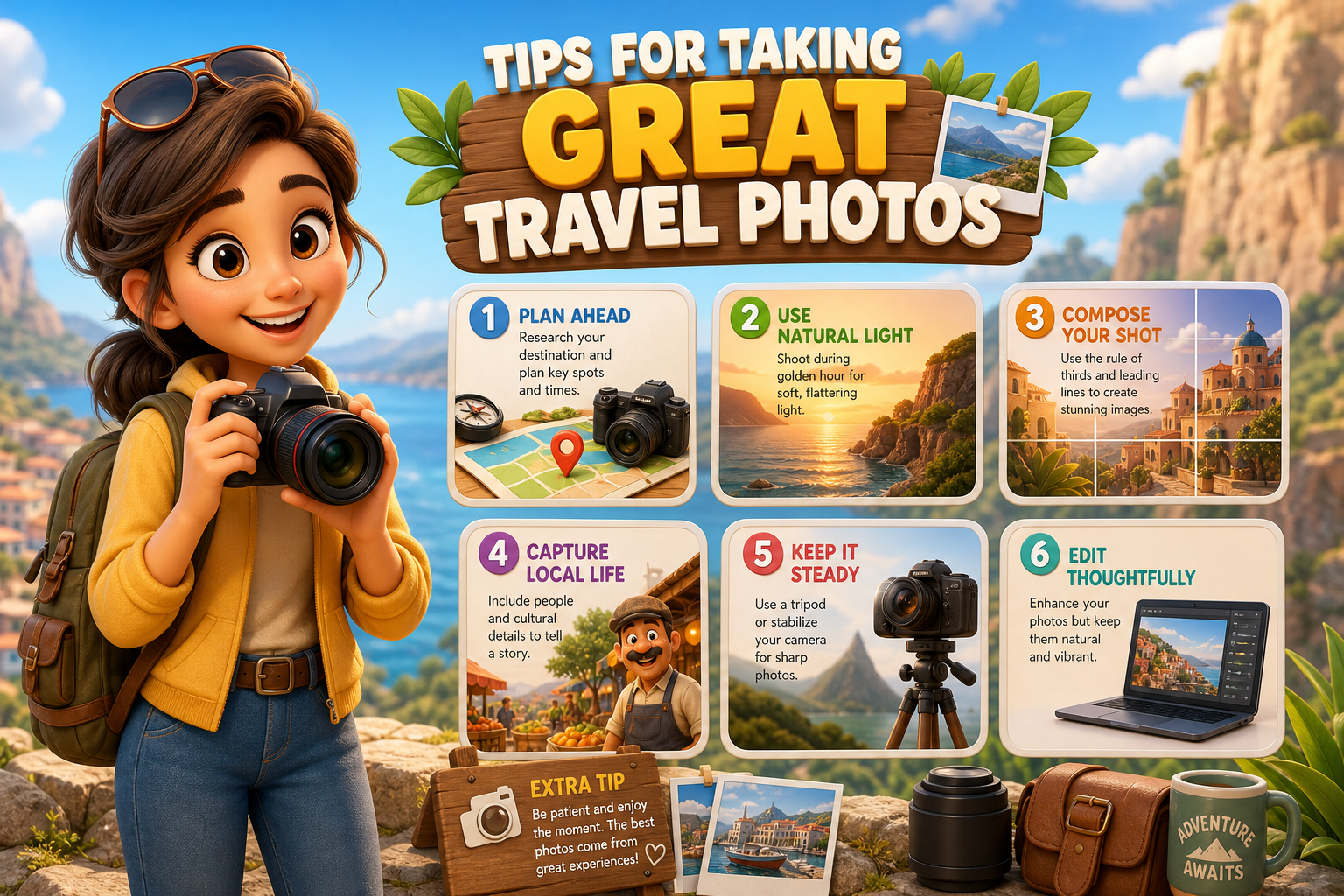










Introduction to Creating a Travel Itinerary
Creating a travel itinerary is essential for planning any trip. A well-structured travel itinerary helps you maximize your experience and ensures you do not miss out on key attractions. In 2026, travel has become easier, thanks to technology. You can quickly gather information and organize your plans into a coherent itinerary. Whether you are heading to a new city or exploring a different country, having a travel itinerary is a must.
Travel itineraries are not just lists of places to visit. They include essential details such as opening hours, ticket prices, and nearby dining options. They also allow travelers to allocate their time efficiently. This article will guide you through the steps to create a travel itinerary in minutes, making your travel planning straightforward and enjoyable.
Understanding Your Destination
Before you start creating your travel itinerary, it is essential to understand your destination. Researching your destination helps you learn about its culture, popular attractions, and local customs. Begin by looking up information online. Websites, travel blogs, and social media platforms are excellent resources. You can discover hidden gems that are not listed in typical travel guides.
Consider the best times to visit your chosen destination. For example, some places may be overcrowded during peak seasons. Researching weather conditions is also important. Knowing whether you should pack sunscreen or an umbrella can affect your travel experience. Also, familiarize yourself with local transportation options. This knowledge will help you plan your itinerary more effectively.
Setting Your Travel Goals
What do you want to achieve during your trip? Setting clear travel goals is a vital step in creating your itinerary. Are you traveling for relaxation, adventure, or cultural experiences? Your goals will guide your planning process. For example, if relaxation is your goal, you may want to schedule more downtime at a beach or spa.
Consider what activities excite you. If you love history, include museums and historical sites in your itinerary. If you are an adventure seeker, look for hiking trails or activities like zip-lining. Knowing your priorities will help you focus on what matters most. Write down your goals to refer back to them as you build your itinerary.
Choosing the Right Tools
In 2026, many tools can help you create a travel itinerary quickly. Apps and websites have simplified the process. Consider using tools like Google Maps, which allows you to mark locations and create routes. TripIt is another fantastic app that organizes your travel plans. You can input details, and the app will create a comprehensive itinerary for you.
Using spreadsheets is also an effective way to plan your trip. You can create columns for dates, activities, and notes. This method allows for easy adjustments as your plans evolve. Choose a tool that fits your style and needs. Whether you prefer digital or paper, having the right tool can save you time and stress.
Gathering Information on Activities
Once you have your destination and goals, start gathering information on activities. Look for popular attractions, local events, and unique experiences. Websites like TripAdvisor and Yelp provide user reviews and ratings. These platforms give insights into what other travelers enjoyed. Make sure to note the opening hours and entry fees for each location.
Don’t forget to check for any seasonal events or festivals that might be happening during your visit. These can enhance your travel experience. If you have specific interests, such as food or art, search for specialized activities. This can include cooking classes, art exhibits, or local tours. Compile all this information to help shape your itinerary.
Creating a Daily Schedule
Once you have gathered all the necessary information, it is time to create your daily schedule. Start by breaking down your trip into days. For each day, list the activities you want to do. Be realistic about how much you can accomplish in a day. Factor in travel time between locations, meal breaks, and downtime.
For example, if you plan to visit three museums in one day, ensure they are close to each other. You can also include time for meals at nearby restaurants. A good rule of thumb is to schedule no more than three major activities per day. This approach allows you to enjoy each experience without feeling rushed. Make adjustments as needed based on your preferences.
Incorporating Rest and Flexibility
Travel can be exhausting, so it is essential to incorporate rest into your itinerary. Schedule breaks between activities to recharge. This could be a leisurely lunch, a coffee break, or simply time to enjoy your surroundings. Flexibility is also vital during your trip. Sometimes, unexpected events or delays can occur.
Allow for some free time in your itinerary. This can be a day without scheduled activities or simply open blocks of time. This way, you can explore at your own pace or take part in spontaneous adventures. Having a flexible itinerary will help reduce stress and enhance your travel experience. Remember, it is okay to change plans if something more exciting comes up.
Finalizing Your Travel Itinerary
After drafting your daily schedule, it is time to finalize your travel itinerary. Review each day to ensure it flows well. Make sure you have all the vital information included, such as addresses, contact numbers, and reservation confirmations. It is also beneficial to have backup options in case your initial plans fall through.
Print or save a digital copy of your itinerary to access it easily during your trip. Share your itinerary with friends or family members. This way, someone else will know your plans in case of emergencies. Having a well-organized itinerary will help you feel more prepared and confident during your travels.
Using Technology for Real-time Updates
In 2026, technology plays a significant role in travel planning. Use apps that offer real-time updates about your itinerary. Tools like Google Maps provide live traffic updates, helping you avoid delays. Other apps can notify you of changes to your bookings, such as flight delays or cancellations.
Consider using travel forums and social media groups to get real-time advice from fellow travelers. These platforms can offer valuable tips, such as restaurant recommendations or local happenings. Staying connected during your trip will help you adapt to changes and enhance your experience.
Documenting Your Travel Experience
As you travel, document your experiences for future reference. Keeping a travel journal is a fantastic way to record your thoughts and feelings. You can also take photos, which will help you remember the highlights of your trip. Sharing your experiences on social media can inspire others and allow you to connect with fellow travelers.
Consider writing blog posts or creating a video diary to share your journey. This documentation not only preserves your memories but can also serve as a helpful resource for future travel planning. Reflecting on your adventures can enrich your understanding of your travels and help you plan even better trips in the future.
Conclusion: Enjoying the Journey
Creating a travel itinerary in minutes is entirely achievable with the right approach. By understanding your destination, setting clear goals, and using modern tools, you can prepare for your trip effectively. Incorporating rest and flexibility is vital for a stress-free experience. Remember to document your journey to cherish the memories.
Traveling is about the journey, not just the destination. Allow yourself to embrace new experiences and enjoy each moment. Whether you are exploring a new city or relaxing on a beach, having a travel itinerary will help you make the most of your adventure. Start planning your next getaway today and enjoy every step of the way!