


[SEO_KEYWORD]travel on a budget[/SEO_KEYWORD]
[SEO_SLUG]how-to-travel-on-a-budget[/SEO_SLUG]
[SEO_TITLE]Travel on a Budget | Wanderlust Wonders[/SEO_TITLE]
[SEO_DESC]Discover expert tips and strategies to travel on a budget in 2026. Explore ways to save and enjoy amazing adventures.[/SEO_DESC]
[CONTENT]
Understanding the Basics of Budget Travel
Traveling doesn’t have to break the bank. Many people dream of exploring new places, tasting different foods, and meeting new friends. But, how do you do this without spending too much? The key is learning how to travel on a budget. Understanding the basics can help you make smart choices. Start by setting a clear budget. Know how much money you can spend on your trip. This will guide your decisions on where to go, what to do, and how to save.
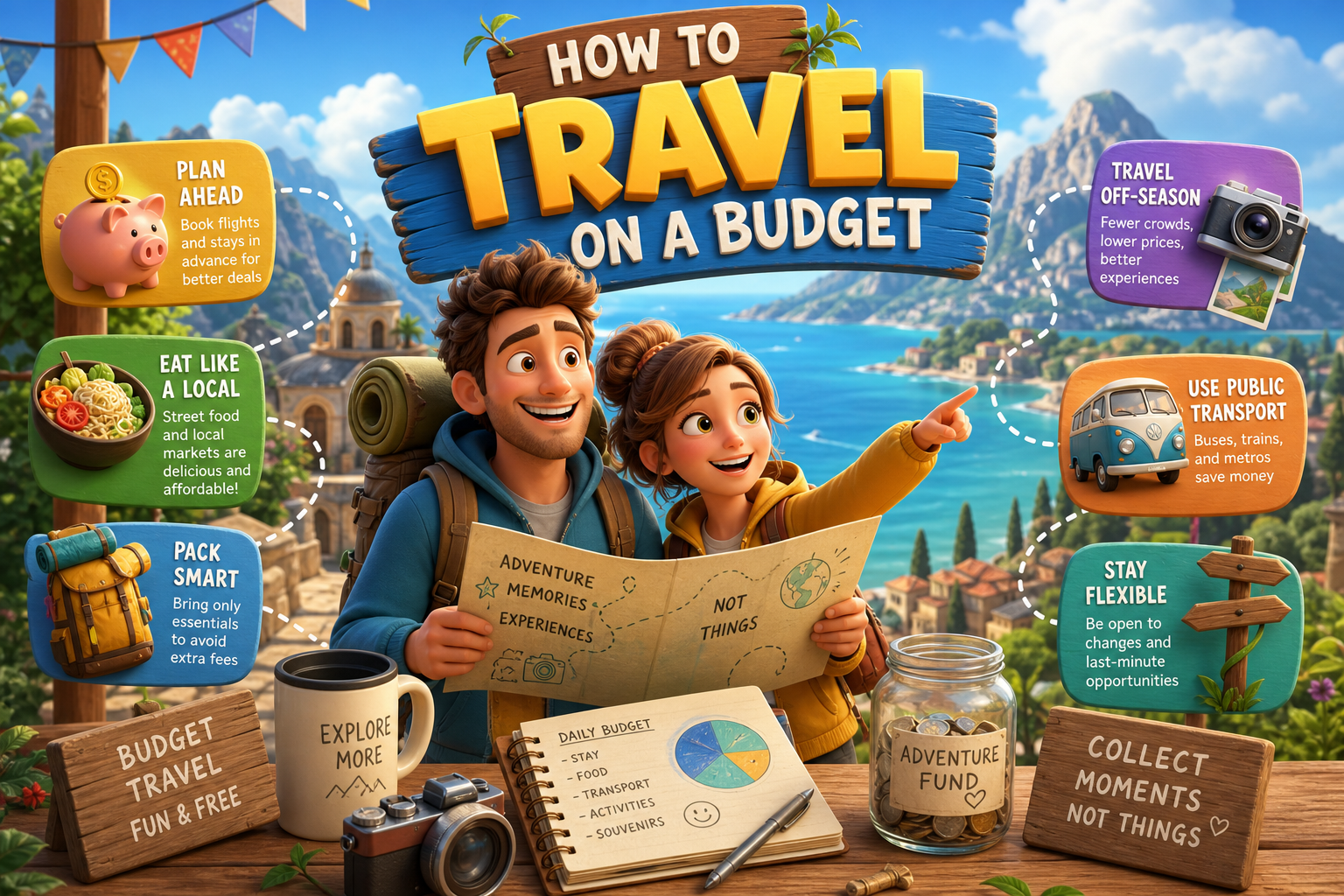
Research is essential. Look for destinations that fit your budget. Some places are naturally cheaper to visit than others. For example, Southeast Asia and Eastern Europe tend to offer great experiences for less money. Also, consider traveling during off-peak times. This can save you money on flights and accommodations. When you travel off-peak, you often enjoy fewer crowds and a more relaxed experience.
Another important tip is to be flexible. If you can adjust your travel dates or destination, you might find better deals. Use travel comparison websites to find the best prices. Lastly, always be open to new experiences. Sometimes the best adventures come from unexpected places, and those often cost less. Remember, budget travel is about enjoying your journey while keeping your wallet happy.
Planning Your Trip Effectively
Effective planning is the backbone of budget travel. Start by choosing your destination carefully. Research places that offer affordable attractions, food, and accommodations. Websites and blogs can provide insights into cheap travel spots. Consider how you will get there too. Look for budget airlines or train services that offer discounts.
Once you have a destination, create a detailed itinerary. Map out the activities you want to do each day. This helps you avoid overspending on last-minute plans. Explore free or low-cost activities. Many cities offer free walking tours, museums, or parks. These can be fantastic ways to learn about the local culture without spending a lot.
In your planning, don’t forget to budget for food. Eating out can consume a large portion of your travel budget. Research local markets or grocery stores where you can buy ingredients to prepare your meals. Eating like a local can be fun and cost-effective. If you plan to eat out, look for lunch specials or food trucks that offer delicious meals at lower prices.
Finding Affordable Accommodations
Accommodations can be a significant part of your travel costs. However, there are many ways to find affordable places to stay. Start by exploring different options beyond traditional hotels. Look for hostels, guesthouses, or even vacation rentals. Websites like Airbnb allow you to find local homes or rooms to rent, often at lower prices than hotels.
Consider staying outside the main tourist areas. Sometimes, accommodations a little further from the center are much cheaper. You can save money and still have easy access to public transportation. Also, always read reviews before booking. This ensures you find a place that is safe and clean.
Another tip is to book your accommodations in advance. This allows you to compare prices and find deals. Many sites offer discounts for early bookings. However, if your plans are flexible, consider last-minute bookings. Sometimes, you can find amazing deals just a few days before your arrival. Just be cautious with this approach, as availability may be limited.
Transporting Yourself on a Budget
Getting around can often be expensive, but there are many ways to save on transport. First, consider using public transportation. Buses and trains are often much cheaper than taxis or rental cars. Many cities offer travel passes that allow unlimited rides for a set period. This can save you money if you plan to explore a lot.
If you prefer to walk, this is an excellent way to see a city and save money at the same time. Walking allows you to discover hidden gems and local spots you might miss otherwise. For longer distances, look into bike rentals. Many cities now offer bike-sharing programs, which are often inexpensive and a fun way to get around.
For intercity travel, consider taking overnight buses or trains. This can save you the cost of one night’s accommodation while getting you to your next destination. If you choose to fly, book your tickets well in advance and be flexible with your travel dates. Use fare comparison sites to find the best deals. Consider low-cost airlines, but remember to check for hidden fees.
Eating Well on a Budget
Food is an essential part of any travel experience, but it can quickly add up. To eat well on a budget, start by exploring local markets. Markets often have fresh produce and local specialties at lower prices than restaurants. You can try new foods and save money at the same time. Many cities also have street food stalls that offer delicious meals for just a few dollars.
If you stay in a place with a kitchen, consider cooking your meals. This allows you to control your food costs. Buy local ingredients and try your hand at making traditional dishes. Cooking can be a fun way to engage with the local culture.
When you do eat out, look for lunch specials or happy hour deals. Many restaurants offer these at lower prices. Avoid dining in tourist-heavy areas, as prices can be inflated. Instead, seek out local favorites. Don’t be afraid to ask locals for their recommendations. They often know the best places to eat for less.
Embracing Free or Low-Cost Activities
One of the best ways to save money while traveling is to embrace free or low-cost activities. Many destinations offer a wealth of experiences that don’t cost anything. Start by researching local parks, beaches, or hiking trails. Nature provides some of the best adventures at no cost. Explore the great outdoors and enjoy the beauty of your surroundings.
Check out community calendars for free events, like festivals, concerts, or art shows. Many cities host free events that highlight local culture and entertainment. Museums often have free admission days, so plan your visit accordingly to take advantage of these opportunities.
Walking tours can also be a great way to learn about the area. Many cities offer free walking tours led by locals. While tips are appreciated, the tours themselves are often free. This allows you to gain insights and discover hidden gems without spending a lot of money.
Using Technology to Save Money
In today’s digital age, technology can be your best friend when traveling on a budget. There are countless apps and websites designed to help you save money. Start by using flight comparison apps to find the best deals on airfare. Websites like Skyscanner or Google Flights allow you to compare prices across different airlines.
For accommodations, use booking apps that offer discounts or last-minute deals. Apps like HotelTonight or Booking.com can help you find great prices on hotels and homes. Additionally, consider using travel budgeting apps. These can help you keep track of your spending and stay within your budget.
Social media can also be a great tool. Follow travel blogs and influencers for tips on budget travel. Many share their experiences and provide valuable advice on saving money. Join travel groups on platforms like Facebook to connect with other travelers. They can share insights and recommendations based on their own experiences.
Staying Safe While Traveling on a Budget
Safety is essential when traveling, especially on a budget. Always trust your instincts. If something feels off, it probably is. Stay aware of your surroundings and avoid risky areas, especially at night. Keep your belongings secure and never leave valuables unattended.
Research the safety of your destination before you go. Some places may have specific safety concerns that travelers should be aware of. Knowing these in advance can help you make informed decisions. Additionally, consider purchasing travel insurance. This can provide peace of mind and financial protection in case of unexpected events.
Always have a backup plan. Keep copies of important documents, such as your passport and travel itinerary, in a separate location. This way, if something goes wrong, you have the necessary information to help you. Joining local expat or traveler groups can also help you feel safer. They often provide support and advice, especially in unfamiliar areas.
Conclusion: Enjoying Your Journey
Traveling on a budget is all about being smart and resourceful. With careful planning and an open mind, you can enjoy amazing experiences without overspending. Start by understanding the basics of budget travel. Set a clear budget, research your destination, and be flexible with your plans.
Finding affordable accommodations and transport is key. Embrace free or low-cost activities to enrich your journey. Use technology to your advantage and stay informed about safety. Most importantly, remember that the experiences you gain while traveling are priceless. Enjoy your journey, and create memories that last a lifetime.