


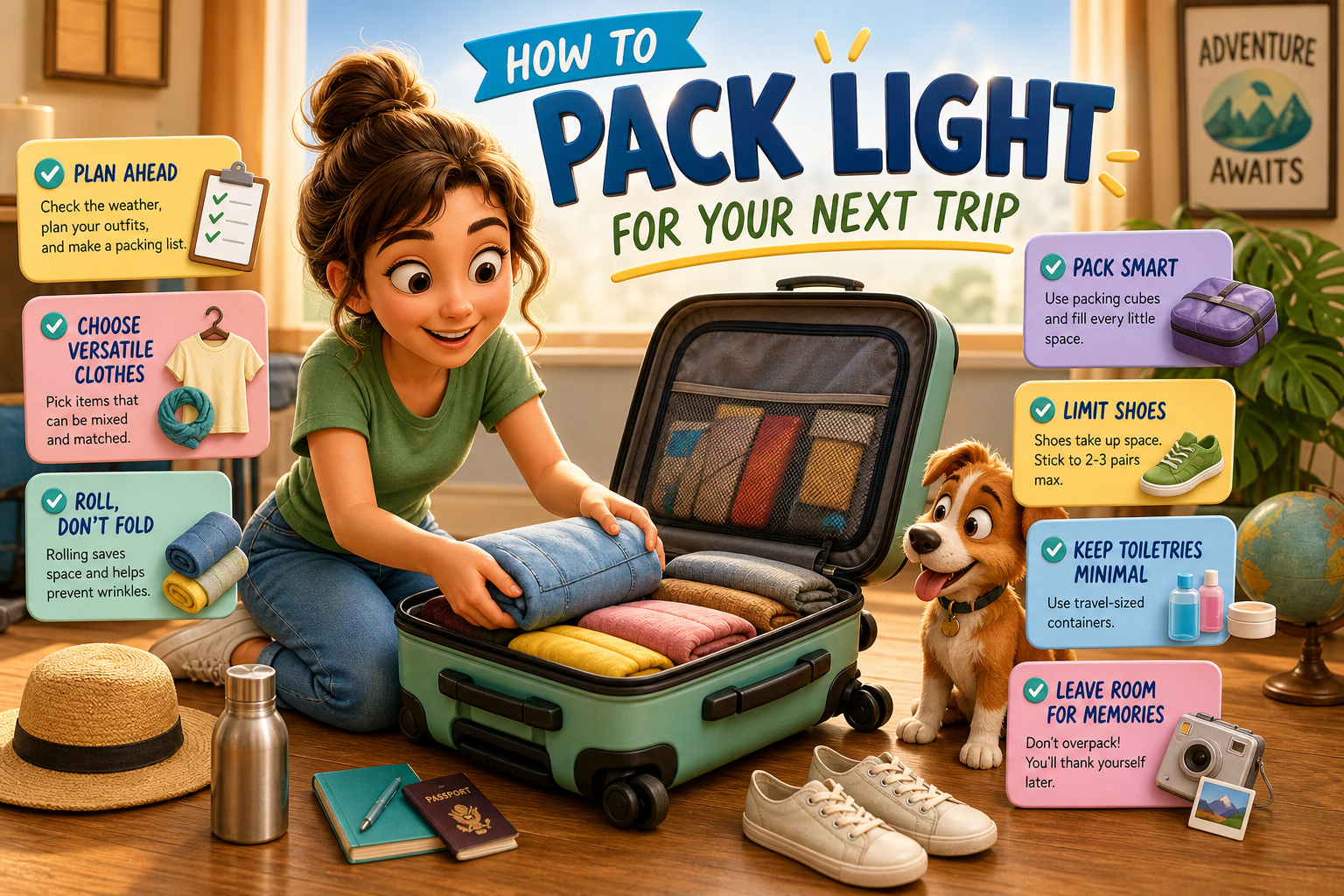
Understanding the Importance of Packing Light
Packing light is more than just a trend; it is a smart way to travel. When you pack light, you carry less weight and reduce stress. Imagine moving through crowded airports without the hassle of heavy bags. You will feel free and ready to explore. Packing light helps you stay organized, too. It also gives you more space for souvenirs and extra items you may collect during your journey. A lighter bag means you can enjoy your trip without being burdened by excess baggage.
In 2026, many travelers are learning how to optimize their packing skills. With airlines frequently adjusting baggage policies, packing light becomes an essential strategy. Understanding how to effectively pack your essentials will save you time and money. You will avoid those annoying fees for checked luggage. Moreover, packing light allows you to be more flexible with your travel plans. You can easily switch from one destination to another without worrying about your load. This flexibility is particularly beneficial for spontaneous travelers.
Choosing the Right Luggage
The first step to packing light is selecting suitable luggage. In 2026, there are many options available. Look for lightweight, durable suitcases or backpacks. A good choice is a carry-on bag that meets airline regulations. Carry-on bags are designed for easy travel and usually come with wheels. This feature helps you move quickly through airports.
When choosing a bag, consider the size. A 20-22 inch carry-on suitcase is often perfect for short trips. If you prefer backpacks, look for ones with multiple compartments. They help keep your items organized. Additionally, bags with compression features can save space. Also, consider using packing cubes. They help you fit more into your luggage while keeping everything tidy.
Planning Your Wardrobe
Careful planning of your clothing can significantly reduce what you need to pack. Start by checking the weather at your travel destination. In 2026, many weather apps provide accurate forecasts. Choose versatile clothing that can be mixed and matched. For example, a neutral-colored shirt can go with several pants. Aim for lightweight fabrics that dry quickly. Materials like merino wool or synthetic blends are excellent choices because they are breathable and resist wrinkles.
When making your wardrobe choices, think about layering. Layering allows you to adjust to different temperatures without needing bulky clothing. A light jacket can be worn over a shirt during cooler evenings and easily removed during the day. Also, try to limit shoes to two pairs. One pair for casual outings and another for formal occasions is often enough. Remember, the key is to select items that serve multiple purposes.
Utilizing Packing Techniques
Effective packing techniques can help you maximize space. One popular method is rolling your clothes instead of folding them. Rolling can save space and reduce wrinkles. You can also use vacuum-sealed bags for bulky items like jackets. These bags compress clothes, making them take up less room.
Another useful technique is the “bundle wrap” method. This involves wrapping clothes around a central core item, such as a packing cube or a pair of shoes. This method not only saves space but also minimizes wrinkles. When packing, place heavier items at the bottom of your bag. This helps with balance and makes your bag easier to carry. Additionally, use every inch of space. Fill shoes with socks or small items to maximize your packing efficiency.
Smart Essentials to Pack
While packing light, it is important to include essential items. Start with toiletries. In 2026, many brands offer travel-sized products. These smaller versions save space and comply with airline security regulations. Consider using solid toiletries, such as shampoo bars and soap bars, which are often more compact.
Don’t forget your tech essentials. A lightweight laptop or tablet can be helpful for work or entertainment. Always pack chargers and a portable power bank. In addition, consider bringing a reusable water bottle. This helps you stay hydrated and reduces waste from single-use plastics. If you require medication, make sure to pack enough for your trip duration, along with a small first-aid kit. These items are vital and should always be included in your packing list.
Leveraging Technology for Packing
In 2026, technology can assist in your packing process. Many apps are available to help travelers organize their packing lists. Apps like PackPoint allow you to create customized lists based on your destination and activities. These tools take the guesswork out of packing and help you remember essential items.
Additionally, consider using a packing checklist. A checklist ensures that you do not forget anything. You can easily create one on your phone or use a printed version. Some travelers also use digital luggage trackers. These devices help you keep track of your bag’s location, especially if you check it in. Having peace of mind about your belongings makes your travel experience much more enjoyable.
Understanding Airline Policies
Every airline has its own baggage policies, and these can change frequently. In 2026, it is essential to check the specific regulations of the airline you are flying with. Most airlines allow one carry-on bag and one personal item for free. Understanding size restrictions will help you avoid extra fees.
Some airlines have stricter rules than others. Researching these policies before your trip helps you plan accordingly. If you are unsure, contact the airline or check its website for the most current information. Additionally, if you are traveling internationally, look into customs regulations regarding the items you can bring into a country. Being informed can save you time and stress at the airport.
Adapting to Different Travel Scenarios
Traveling for different purposes may require adjustments to your packing strategy. For business trips, focus on versatile clothing and professional attire that can mix and match. You might need a blazer that pairs with various shirts and pants. For family vacations, pack entertainment options for kids. Lightweight games or books can keep them occupied during travel.
If you are going on an adventure trip, prioritize functional clothing. Select items that are moisture-wicking and quick-drying. For instance, if you plan to hike, ensure you have suitable footwear and clothing. For beach vacations, pack swimwear, cover-ups, and sandals. The key to successful packing is always tailoring your essentials to fit the specific activities you will engage in during your trip.
What to Leave Behind
Knowing what not to pack is just as important as knowing what to include. Often, travelers take items they think they need but can easily live without. Leave behind bulky items that do not serve multiple purposes. For example, instead of bringing a full-sized towel, consider a quick-dry travel towel. It takes up less space and dries faster.
Also, resist the urge to pack too many “just-in-case” items. If you are unsure whether you will need something, it is usually best to leave it behind. Remember that you can often buy necessities at your destination if needed. This rule applies to items like toiletries and small first-aid supplies, which may be available at local stores. By leaving behind unnecessary items, you will have more freedom and flexibility during your travels.
Reviewing Your Packing Strategy
After each trip, take some time to reflect on your packing experience. In 2026, many travelers find it beneficial to review what worked and what didn’t. Keep notes on items you used frequently versus those you didn’t need. This practice helps you improve your packing skills for future trips.
Additionally, consider how your packing strategy could be adjusted based on your experiences. If you traveled with too many shoes, for instance, aim to select fewer pairs next time. Also, pay attention to feedback from travel companions. Their insights can provide valuable information on what to include or exclude in your packing list. By continually refining your approach, you will become a more efficient and confident traveler.