









Understanding Hotel Pricing
Hotel pricing can feel confusing. Prices vary widely based on location, demand, and season. Understanding how these factors work can save you money. For instance, hotels in tourist areas often charge more, especially during peak seasons like summer or holidays. In contrast, visiting during off-peak times can lead to significant savings.
Moreover, hotels frequently adjust prices based on the number of available rooms. If a hotel has many open rooms, they might lower prices to attract guests. Conversely, if they are almost fully booked, prices can rise sharply. This understanding can guide you in choosing the best time to book your stay.
Another key point is the type of hotel. Luxury hotels generally charge more, while budget options can offer great deals. For example, a 5-star hotel might charge $300 per night, while a budget hotel could offer rooms for just $80. Knowing your budget can help you focus on the right type of accommodation.
In addition, checking how far in advance you should book is also important. Some hotels offer discounts for early bookings, while others might lower prices closer to the check-in date if they have many rooms left. Researching these patterns can lead to better deals.
Use Price Comparison Websites
Price comparison websites are invaluable tools for finding great hotel deals. Websites like Kayak, Trivago, and Expedia allow you to compare prices from various hotels quickly. This can help you see the best rates available for your chosen destination.
When using these websites, be sure to check multiple sources. Sometimes, a hotel’s official website might offer a better rate than comparison sites. Always check for any exclusive deals that may not be listed elsewhere. For instance, some hotels offer price matching if you find a lower rate on another site.
Additionally, many of these sites have filters that allow you to narrow down options based on your preferences. You can set filters for amenities, location, and price range. This makes finding a hotel that fits your needs easier. For example, if you want a hotel with breakfast included, you can filter for that specifically.
However, be cautious of hidden fees. Some comparison sites may not include taxes or resort fees in their displayed prices. Always read the fine print before finalizing your booking to avoid surprises when you check out.
Sign Up for Alerts and Newsletters
Many hotels and travel websites offer newsletters and alerts for subscribers. Signing up for these can be a great way to receive exclusive deals and promotions. For instance, you might get notified about flash sales or discounts only available to email subscribers.
Moreover, many travel apps also provide alerts for price drops on specific hotels or destinations. Setting these alerts can help you book at the right time. For example, if you have your eye on a particular hotel, an alert can notify you when the price drops.
Another advantage of signing up for newsletters is that you often receive coupon codes directly in your inbox. These codes can provide additional discounts when booking. Sometimes, you might even get offers like “book three nights, get one free.”
However, it’s essential to manage your subscriptions. Too many emails can become overwhelming. Consider creating a separate email for travel deals to keep your main inbox clean while still enjoying the benefits of these alerts.
Consider Alternative Accommodation Options
Hotels are not your only option when traveling. Consider alternatives like vacation rentals, hostels, or even house swapping. Platforms like Airbnb and Vrbo offer unique lodging options that can be cheaper than traditional hotels. For example, renting a home or apartment can often accommodate larger groups at a lower price per person.
Hostels are another fantastic alternative, especially for solo travelers or younger guests. They typically offer dormitory-style rooms, which can save you a lot of money. For instance, a hostel bed might cost around $30 a night, while a hotel could charge $100 or more for a private room.
Additionally, some people choose to swap houses with others when traveling. This option can eliminate lodging costs completely. Websites dedicated to house swapping connect homeowners interested in exchanging homes for vacation purposes.
However, when considering these alternatives, be sure to check reviews and ratings carefully to ensure a safe and pleasant experience. Ratings from previous guests can provide insights into what to expect.
Timing is Everything
When you book your hotel can greatly impact the price. Booking well in advance can lead to lower prices, but last-minute deals are also worth considering. Many hotels offer discounts to fill rooms close to the check-in date. This can be a gamble, but it can pay off if you are flexible.
Moreover, consider the time of year. For example, traveling during shoulder seasons, the period between peak and off-peak times, can lead to significant savings. Prices tend to drop, and places are less crowded. If you plan to visit a popular city, try to travel in the spring or fall rather than during the summer.
Another tip is to book during weekdays instead of weekends. Hotels often charge more for weekend stays due to increased demand. For example, a hotel might charge $150 per night on Friday and Saturday but drop to $100 from Sunday to Thursday.
Lastly, keep an eye on holidays and special events in your destination. Hotels tend to increase prices during these times. If possible, plan your trip to avoid these busy periods, ensuring you can secure a better rate.
Leverage Loyalty Programs
Many hotel chains offer loyalty programs that reward frequent guests. By signing up for these programs, you can earn points for every stay. Over time, these points can be redeemed for free nights, upgrades, or other perks. For example, Marriott Bonvoy and Hilton Honors both offer rewards programs that can significantly reduce your accommodation costs.
Additionally, being a loyal customer can lead to exclusive member rates that are often lower than public prices. Some programs also offer benefits like late check-out or complimentary breakfast, enhancing your overall experience without extra costs.
However, it is essential to choose a loyalty program that aligns with your travel habits. If you travel frequently, a hotel chain with properties in various cities might be ideal. On the other hand, if you travel less often, look for programs with flexible point redemption options.
Finally, always remember to check if your credit card offers any hotel rewards. Some cards partner with hotel chains, allowing you to earn points on your everyday purchases, which can lead to even more savings on your travels.
Read Reviews Before Booking
Before making a hotel reservation, take time to read guest reviews. Websites like TripAdvisor and Google Reviews provide insights from fellow travelers about their experiences. Look for patterns in reviews, such as consistent mentions of cleanliness, service quality, or noise levels. This information can help you make an informed decision.
Pay attention to recent reviews, as older ones may not reflect the current state of the hotel. A hotel that was once poorly rated might have improved its services, while a previously excellent place could have declined. Checking for the most recent feedback ensures you have the latest information.
In addition to reading reviews, consider the overall rating. A hotel with a 4.5-star rating might be a safer bet than one with 3 stars. However, also consider the number of reviews. A hotel with a high rating but only a few reviews may not provide a reliable assessment.
Finally, do not just focus on negative reviews. Sometimes, guests may have unreasonable expectations or grievances. Look for constructive feedback that can give you a balanced view of what to expect.
Final Thoughts on Booking Hotels at Great Prices
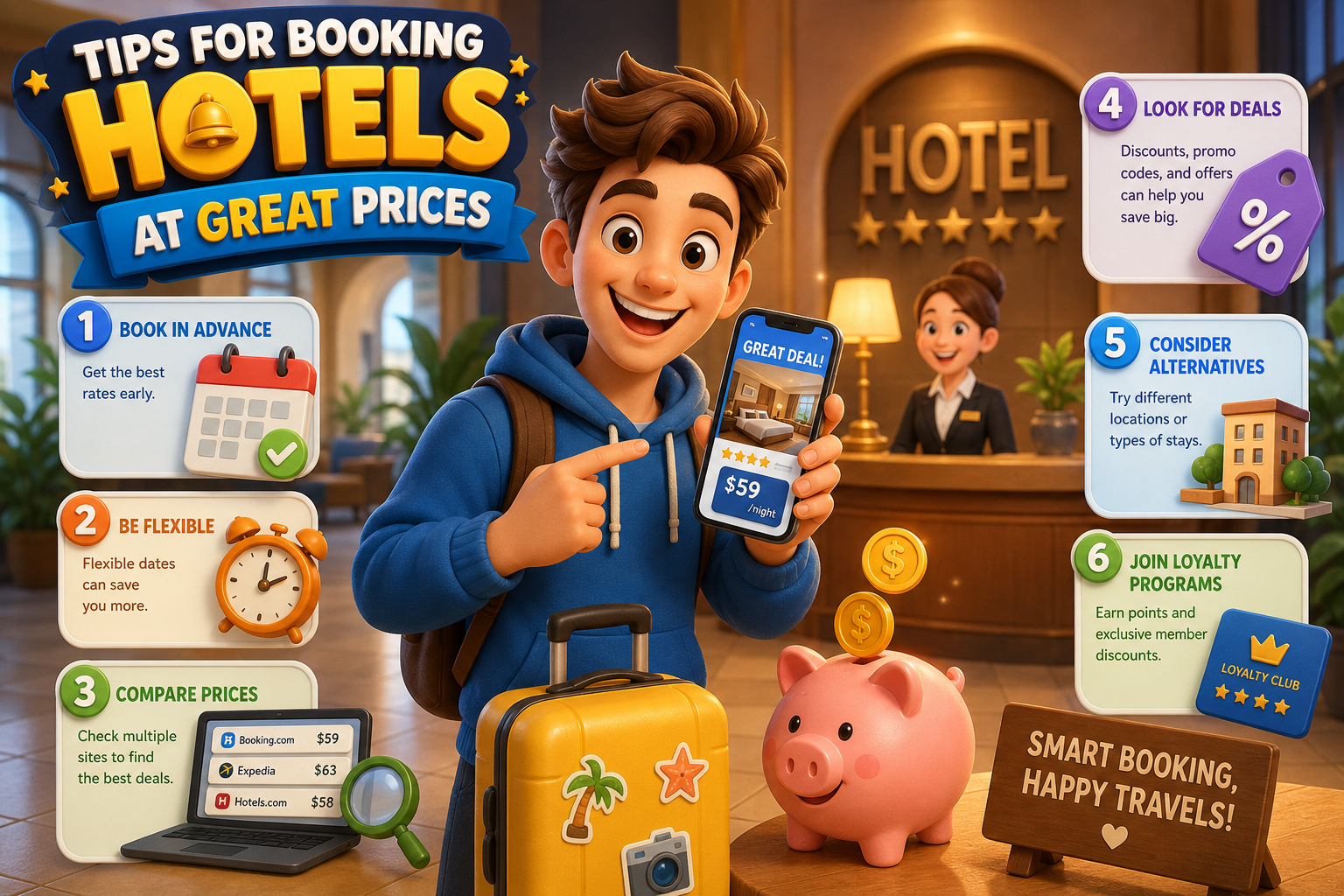
Booking hotels at great prices requires research, flexibility, and strategy. By understanding hotel pricing, using price comparison websites, and taking advantage of loyalty programs, you can find excellent deals. Timing your booking and considering alternative accommodations can also lead to significant savings.
Furthermore, signing up for alerts and reading reviews can enhance your booking experience. Take time to explore all available options. Traveling does not have to break the bank if you approach it with the right knowledge and tools.
Ultimately, great deals are out there for those willing to look for them. Your next adventure awaits, and with these tips, you can enjoy your trip without overspending on accommodation.