








Understanding Sustainable Travel
Travel sustainably means taking steps to reduce your impact on the environment while enjoying your adventures. This approach considers not just the ecological footprint but also the social and economic effects of tourism on local communities. Sustainable travel aims to protect natural resources, support local economies, and preserve cultural heritage. By making conscious choices, travelers can minimize harm and leave a positive legacy.
In 2026, the importance of sustainable travel has never been clearer. Climate change is a pressing issue, and the travel industry is adapting to reduce its carbon footprint. Sustainable travel practices can include everything from choosing eco-friendly accommodations to opting for public transport instead of rental cars. As travelers become more aware of their choices, the demand for sustainable options has increased, reshaping the tourism industry.
Choosing Eco-Friendly Accommodations
When selecting a place to stay, consider eco-friendly accommodations. These can range from hotels that utilize renewable energy sources to hostels that prioritize recycling. Many eco-hotels are built with sustainable materials and incorporate water-saving technologies. They often support local communities by sourcing food from nearby farms and employing local staff.
One practical tip is to look for certifications such as Green Key or EarthCheck. These organizations assess hotels’ sustainability practices and certify their efforts. Websites like EcoBnB or BookDifferent can help you find accommodations with sustainable practices. By choosing eco-friendly lodging, you support businesses that are committed to protecting the environment.
Reducing Your Carbon Footprint
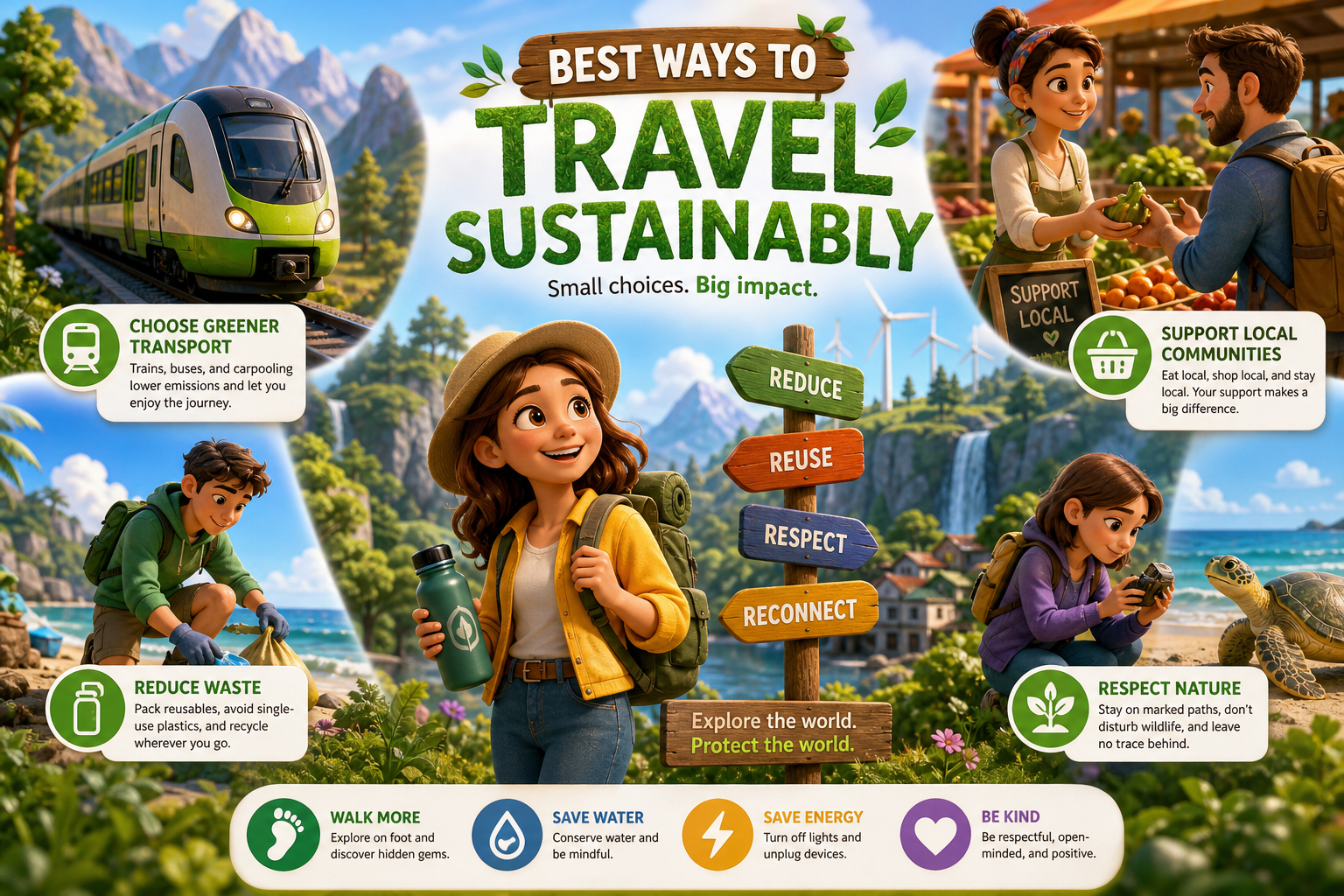
Your travel choices significantly impact the environment, particularly when it comes to transportation. Air travel is one of the largest contributors to carbon emissions in the tourism sector. To reduce your carbon footprint, consider alternatives such as trains or buses, especially for shorter distances. These options are often more eco-friendly and can provide scenic views along the way.
If flying is necessary, try direct flights to minimize emissions. Also, consider carbon offset programs that allow you to invest in environmental projects to balance your travel emissions. Many airlines now offer options for passengers to calculate and offset their carbon emissions, making it easier than ever to contribute positively.
Supporting Local Economies
Traveling sustainably means supporting the local economies of the places you visit. Instead of dining at international chains, choose local restaurants. Eating local dishes not only enhances your travel experience but also helps small businesses thrive. Markets are great places to sample local flavors and purchase handmade goods directly from artisans.
Participating in community-based tourism can also have a positive impact. Engage in activities that directly benefit local people, such as guided tours led by local residents. This not only provides you with authentic experiences but also ensures your spending supports community development. Seek out experiences that promote cultural exchange and empower local communities.
Minimizing Waste While Traveling
Waste reduction is a vital aspect of sustainable travel. Single-use plastics are a significant contributor to environmental pollution. To minimize waste, carry a reusable water bottle, utensils, and bags. Many cities now have refill stations, making it easy to stay hydrated without buying bottled water.
Practicing the “Leave No Trace” principle is essential. This means taking your trash with you and respecting the natural environment. If you are hiking or visiting natural parks, stick to designated paths to avoid damaging vegetation. Being mindful of your waste not only helps the environment but also sets a positive example for other travelers.
Traveling Off-Peak and Lesser-Known Destinations
Visiting popular tourist spots can lead to overcrowding and strain on local resources. By choosing to travel during off-peak times or exploring lesser-known destinations, you contribute to a more balanced distribution of tourism. This practice helps reduce the pressure on popular sites and allows you to experience a place more authentically.
For example, instead of visiting the crowded beaches of Bali, consider exploring the lesser-known islands in Indonesia. These hidden gems often offer stunning beauty and rich culture without the crowds. Researching alternative destinations can lead to unique experiences that are less harmful to the environment and local communities.
Choosing Sustainable Activities
Engaging in sustainable activities enhances your travel experience while benefiting the environment. Opt for eco-tours that focus on conservation, wildlife protection, or community involvement. For instance, volunteering for a local conservation project can provide fulfilling experiences and contribute positively to the environment.
Outdoor activities like hiking, cycling, or kayaking are generally more sustainable than motorized tours. These activities allow you to connect deeply with nature while minimizing your carbon footprint. Always choose operators who follow sustainable practices, ensuring that your adventures do not harm the environment.
Educating Yourself and Others
Knowledge is power. Educating yourself about the cultures and environments of the places you visit is important for sustainable travel. Understanding local customs, traditions, and environmental issues can help you make informed decisions and show respect to the communities you visit.
Share your knowledge and experiences with friends and family. Encouraging others to travel sustainably can create a ripple effect, inspiring more people to adopt eco-friendly practices. Social media is a great platform to promote sustainable travel tips and highlight businesses that prioritize sustainability.
Using Technology for Sustainable Travel
In 2026, technology plays a significant role in promoting sustainable travel. Various apps and websites help travelers make eco-friendly choices. For example, platforms like Carbon Footprint or Ecosia enable users to calculate their emissions and promote environmental initiatives.
Additionally, many travel companies are now using technology to minimize their ecological impact. For instance, some airlines are investing in sustainable aviation fuel, while hotels use smart technologies to decrease energy consumption. Staying informed about these advancements can help you choose options that align with your values.
Conclusion: Embracing Responsible Travel
Traveling sustainably is not just a trend; it is a responsibility we all share. As global citizens, we have the power to make choices that benefit the planet and local communities. By choosing eco-friendly accommodations, supporting local economies, and minimizing waste, we can enjoy our travels while ensuring that future generations can experience the beauty of our world.
The year 2026 offers many opportunities to embrace sustainable travel. With growing awareness and available resources, travelers can make a significant impact. Let us all commit to being responsible travelers, making choices that protect our planet and enrich our experiences.