





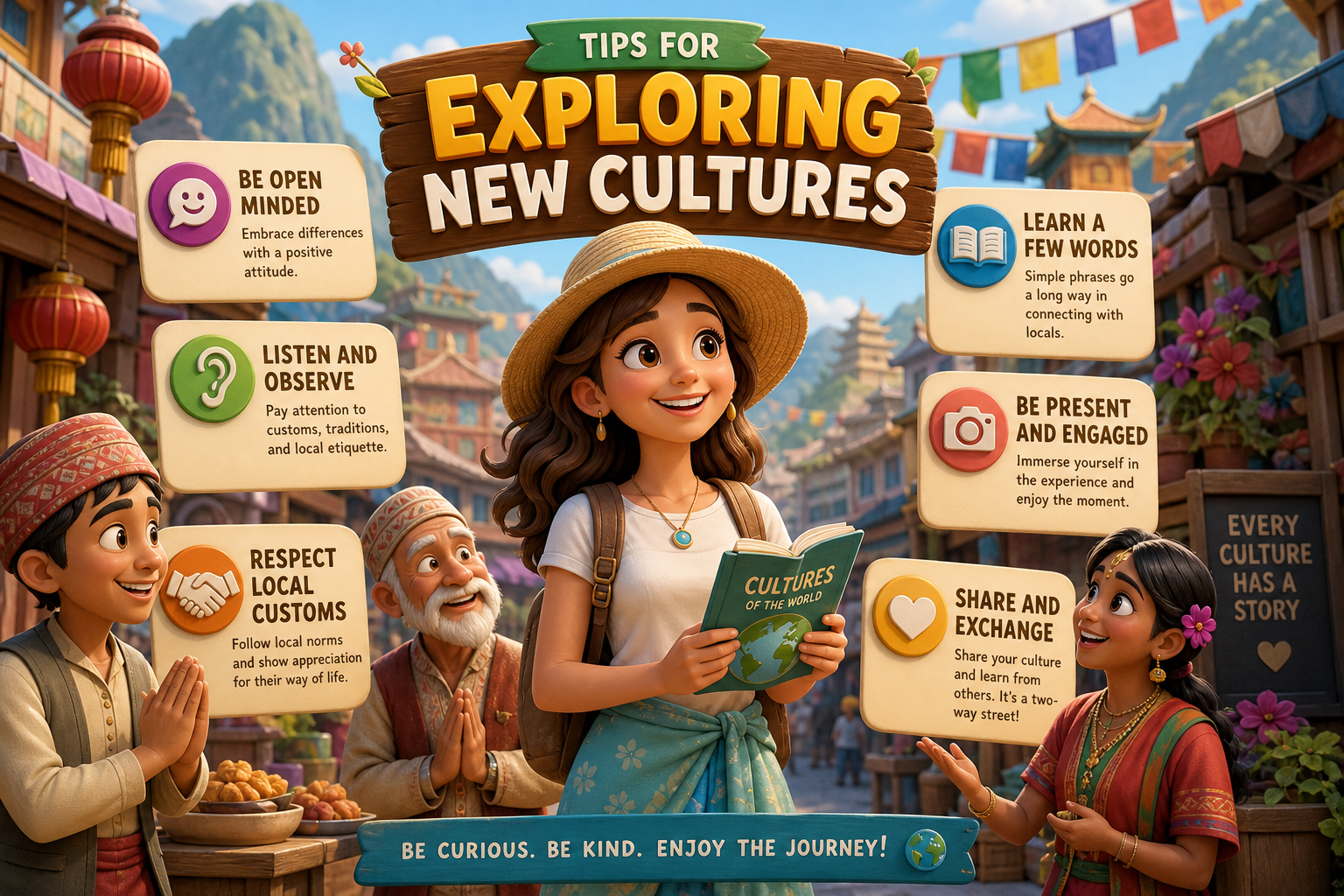
Understanding the Importance of Cultural Exploration
Exploring new cultures is a vital part of travel. It broadens your horizons and enhances your understanding of the world. When you immerse yourself in different cultures, you learn about diverse traditions, languages, and lifestyles. This experience helps break down stereotypes and fosters respect for others. It can also inspire personal growth and creativity. By exploring new cultures, you not only enrich your own life but also contribute to a more connected and harmonious global community.
Research Before You Go
Before visiting a new country, take the time to research its culture. This preparation can improve your travel experience significantly. Start by learning about the local customs. Understanding what is considered polite or rude can prevent awkward situations. For example, in Japan, bowing is a common greeting. In contrast, in Spain, a handshake is more typical. Additionally, familiarize yourself with local foods, traditional clothing, and social norms. Online resources like travel blogs, cultural YouTube channels, or even documentaries can offer valuable insights. Make a list of important cultural facts to remember during your visit.
Learn the Language Basics
Knowing a few phrases in the local language can make a big difference. Simple greetings like “hello,” “thank you,” and “please” go a long way in showing respect. People often appreciate it when visitors try to speak their language, even if it is just a few words. Language apps like Duolingo and Babbel are popular tools in 2026 for learning basic phrases quickly. Additionally, consider carrying a pocket phrasebook for easy reference. This effort not only helps you communicate but also opens doors to deeper interactions with locals.
Engage with Local Communities
Connecting with locals is one of the best ways to explore new cultures. Attend community events or festivals to experience cultural traditions firsthand. For example, join a cooking class to learn about local cuisine. This not only teaches you about the food but also connects you with the community. Volunteer opportunities are another excellent way to engage. Many organizations welcome travelers who want to help. Websites like Workaway and HelpX can connect you with local hosts looking for assistance. Engaging with local communities fosters friendships and provides a more authentic cultural experience.
Try Authentic Cuisine
Food is a significant part of any culture. Trying local dishes can provide insight into a country’s history and traditions. Visit street food markets to sample a variety of dishes. In Thailand, for example, street vendors sell delicious Pad Thai and mango sticky rice. Don’t be afraid to try new foods, even if they seem unusual at first. You might discover a new favorite dish. Take time to learn about how meals are prepared and the stories behind them. Consider taking a food tour to explore different culinary delights in a guided manner.
Respect Cultural Norms and Traditions
Every culture has its own set of norms and traditions. Respecting these customs is important when exploring new cultures. Dress codes can vary greatly; in some countries, modest clothing is expected in religious sites. Always research local customs before your visit. If you are unsure about something, ask locals for guidance. They appreciate your interest in their culture. Furthermore, be aware of cultural practices, such as dining etiquette or greeting rituals. Understanding these norms shows respect and can lead to more meaningful interactions.
Capture Memories Thoughtfully
Photography is a wonderful way to capture your travel experiences, but be mindful of cultural sensitivities. Always ask for permission before taking photos of people or sacred places. In some cultures, it is considered disrespectful to photograph without consent. When taking pictures, focus on capturing the essence of the culture, rather than just tourist attractions. Document your experiences in a travel journal. Write down your thoughts, feelings, and the stories behind the photos. This practice enriches your memory and allows you to reflect on your journey later.
Participate in Local Activities
Engaging in local activities is a great way to understand a culture better. Look for workshops or classes that teach traditional crafts or skills. For instance, learn how to weave baskets in a rural village or participate in a local dance class. This hands-on experience provides insight into the culture’s heritage and values. Additionally, consider joining local sports events, which can be a fun way to connect with residents. Participating in these activities can help you make friends and feel more integrated into the community.
Use Technology Wisely
In 2026, technology plays an important role in cultural exploration. Use apps that facilitate cultural exchange. Platforms like Couchsurfing and Meetup connect travelers with locals for shared experiences. These tools can help you find events, gatherings, and activities that align with your interests. However, remember to be present. While technology can enhance your experience, it should not replace real-life interactions. Balance your screen time with engaging directly with people and places. This approach ensures a more authentic cultural experience.
Reflect on Your Experiences
After exploring a new culture, take time to reflect on your experiences. Consider what you learned and how it impacted your perspective. Write about your thoughts in a travel journal or discuss them with friends. Reflecting helps solidify your memories and enhances your understanding of cultural differences. It can also inspire future travel plans. Think about how you can implement what you learned in your daily life. This reflection process deepens your appreciation for cultural diversity and can lead to personal growth.
Be Open-Minded and Flexible
Traveling to new cultures requires an open mind and flexibility. Things may not always go as planned, and that is okay. Embrace unexpected changes and challenges. They often lead to the most memorable experiences. When you approach new situations with curiosity, you are likely to learn and grow from them. For example, if a local suggests a different activity than what you had planned, consider joining them. This spontaneity can lead to unique and enriching experiences that you might not have encountered otherwise.
Share Your Cultural Experiences
After returning home, share your experiences with others. Discussing what you learned can inspire friends and family to explore new cultures themselves. Whether through social media, travel blogs, or community presentations, sharing your stories promotes cultural awareness. This sharing helps build understanding and appreciation for different cultures. Consider organizing a cultural night where you showcase food, music, and stories from the places you visited. Engaging others in conversations about your travels can spark interest and curiosity in exploration.
Conclusion: The Journey of Cultural Exploration
Exploring new cultures is an enriching journey. By following these tips, you can enhance your travel experiences and gain a deeper understanding of the world. Remember to research, engage with locals, and reflect on your experiences. Being open-minded and willing to learn will make your adventures more rewarding. As you explore, you not only discover new places but also grow as an individual. Embrace the journey, and let each cultural experience shape your perspective and appreciation for diversity.