






Understanding Tourist Traps
Tourist traps are places that attract visitors, often because they are famous or well advertised. These spots can be fun, but they sometimes overcharge for goods and services. Because of this, many travelers want to avoid them. Understanding what makes a place a tourist trap is the first step toward enjoying more authentic travel experiences. Tourist traps tend to be crowded and may offer a watered-down version of local culture. They often rely on the volume of visitors to maintain profitability rather than providing quality experiences. This article will help you learn how to avoid these traps and find genuine experiences when you travel.
Researching Your Destination
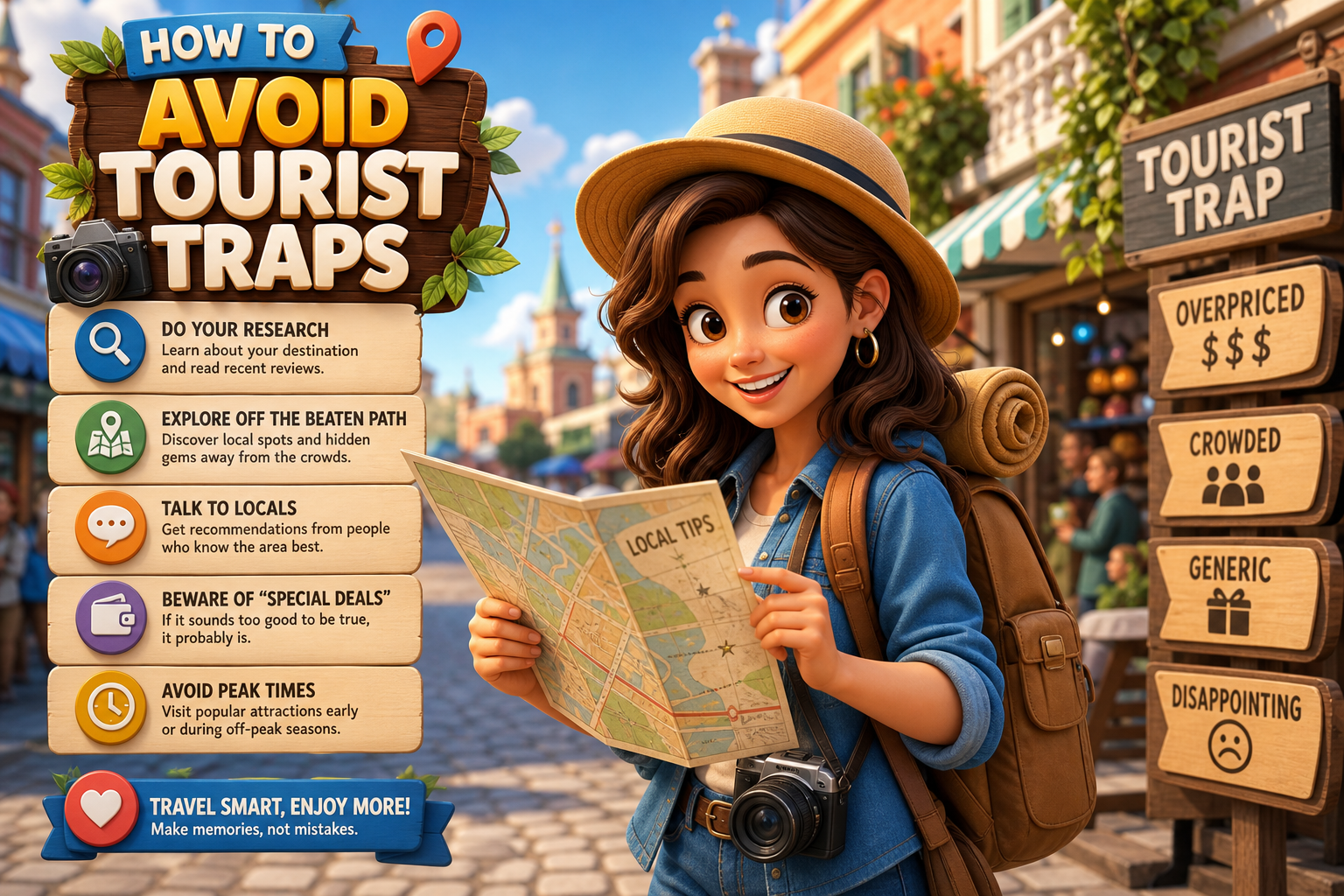
Before you travel, spend time researching your destination. Look for local blogs, travel forums, and social media pages. These resources often have up-to-date information on places worth visiting. Websites like TripAdvisor and Yelp can help you find hidden gems instead of popular tourist traps. You can also check out travel guide books that focus on local experiences. Because these sources often highlight lesser-known attractions, you can discover places that many tourists overlook. Use Google Maps to explore neighborhoods and check reviews on various locations. This research can save you time and money during your trip.
Timing Your Visits
When you visit popular attractions, timing can be everything. Many tourist traps are less crowded during off-peak hours. Try visiting early in the morning or late in the afternoon. This strategy allows you to enjoy the site without the crowds. Additionally, consider traveling during the shoulder season, which is the time between peak and off-peak seasons. For example, if you want to visit a famous museum, check if they have free admission days or extended hours. By planning your visit wisely, you can experience the attraction without feeling rushed or overwhelmed.
Seeking Local Recommendations
When you arrive at your destination, seek recommendations from locals. They can provide insights into the best places to eat, shop, and explore. Ask hotel staff, shopkeepers, or even people you meet during your travels. They often know about excellent spots that are not mentioned in guidebooks. Local recommendations can lead you to unique experiences and help you avoid tourist traps. For example, if you are in a city known for its food, ask locals about their favorite restaurants. Many times, these places offer better food and prices than the well-known tourist spots.
Using Technology to Your Advantage
In 2026, technology plays a significant role in travel. Use apps designed to help you find authentic experiences. For instance, platforms like Meetup and Eventbrite can connect you with local events. These events often attract residents rather than tourists. You can also use Google Maps to explore areas away from crowded attractions. Look for parks, local markets, or community events. Social media platforms, such as Instagram, can offer insights into less touristy spots. By leveraging these tools, you can discover hidden gems and avoid the common pitfalls of tourist traps.
Choosing the Right Accommodations
Your accommodation choice can significantly impact your travel experience. Instead of staying in hotels near major tourist destinations, consider options in neighborhoods where locals live. These areas often have unique shops, restaurants, and attractions. Look for rentals on platforms like Airbnb or Vrbo, where you can find homes in residential areas. Staying in these neighborhoods allows you to experience local culture and avoid tourist traps. Additionally, smaller guesthouses and boutique hotels may offer a more personal touch than large chain hotels. This choice can lead to a more authentic experience during your travels.
Exploring Beyond the Main Attractions
While famous attractions have their charm, exploring beyond them can lead to surprising discoveries. Many cities have lesser-known sites that offer rich history and culture. For example, instead of visiting a well-known museum, check out a local art gallery. These smaller galleries may showcase local artists and provide a unique perspective on the culture. Walking tours led by locals can take you to off-the-beaten-path locations. This exploration can also lead you to quaint cafes, local shops, and beautiful parks that are less crowded. Embrace the unexpected during your travels.
Understanding Pricing and Costs
Being aware of pricing can help you avoid tourist traps. Many popular attractions charge inflated prices for admission, food, and souvenirs. Research the typical costs of activities in your destination. This knowledge helps you identify when you are being overcharged. Consider purchasing tickets in advance if available, as this can sometimes save you money. When dining out, check menus online to avoid surprises. Many local restaurants offer better prices and quality than touristy areas. Understanding the local economy and prices can help you make informed decisions during your trip.
Embracing Local Cuisine
Food is a significant part of any travel experience. Tourist traps often feature restaurants that cater to visitors with high prices and generic menus. Instead, seek out local eateries where residents dine. These places usually offer authentic dishes at reasonable prices. Use apps like Yelp or Google Maps to search for highly-rated local restaurants. Street food markets can also provide delicious options and a taste of local culture. Trying new foods and flavors from local vendors will enhance your travel experience. Remember, the best meals are often found away from the tourist crowds.
Joining Local Tours and Experiences
Participating in local tours can provide a deeper understanding of your destination. Many cities offer unique experiences led by locals. These tours might focus on food, history, or culture, allowing you to learn from someone who knows the area well. Look for small group tours that emphasize authenticity rather than large, commercial tours. This way, you can interact with your guide and ask questions that interest you. Local workshops, such as cooking classes or craft sessions, can also provide hands-on experiences that connect you with the culture. Engaging with locals in this way helps you avoid tourist traps.
Staying Flexible in Your Itinerary
While planning is essential, staying flexible can lead to unexpected adventures. Sometimes, the best experiences happen when you deviate from your planned itinerary. If you hear about a local event or festival, consider adjusting your plans to attend. Being open to change can lead you to unique experiences that are off the beaten path. Take time to explore neighborhoods and attractions not listed in your guidebook. You may discover charming streets, friendly shops, or beautiful parks. Embracing spontaneity can enhance your travel experience and keep you away from tourist traps.
Wrapping Up: Enjoying Authentic Travel Experiences
In conclusion, avoiding tourist traps requires research, local insights, and a willingness to explore beyond the obvious. By understanding your destination, timing your visits, and seeking local recommendations, you can enhance your travel experience. Use technology to find authentic experiences and choose accommodations in local neighborhoods. Remember to embrace local cuisine and participate in unique tours. Staying flexible in your itinerary allows you to discover unexpected gems. Ultimately, the goal is to enjoy authentic experiences that create lasting memories. Happy travels!