






Understanding Your Budget
Before you start planning your trip, it is vital to understand your budget. Knowing how much you can spend will guide your choices for destinations, accommodations, and activities. Start by calculating your total available funds for travel. This includes savings, income, and any other sources. Next, break down your budget into categories. Think about transportation, lodging, food, and entertainment. For instance, if your total budget is $1,500, you might allocate $600 for flights, $500 for accommodation, $300 for food, and $100 for activities.
Make sure to account for unexpected expenses. It’s wise to set aside a small portion, maybe 10% of your budget, for emergencies. This way, if something goes wrong, like needing to buy a new suitcase or pay for a last-minute hotel, you are prepared. You could also look at apps that help track your spending while traveling. These can help ensure you stick to your budget and make adjustments as needed.
Choosing Affordable Destinations
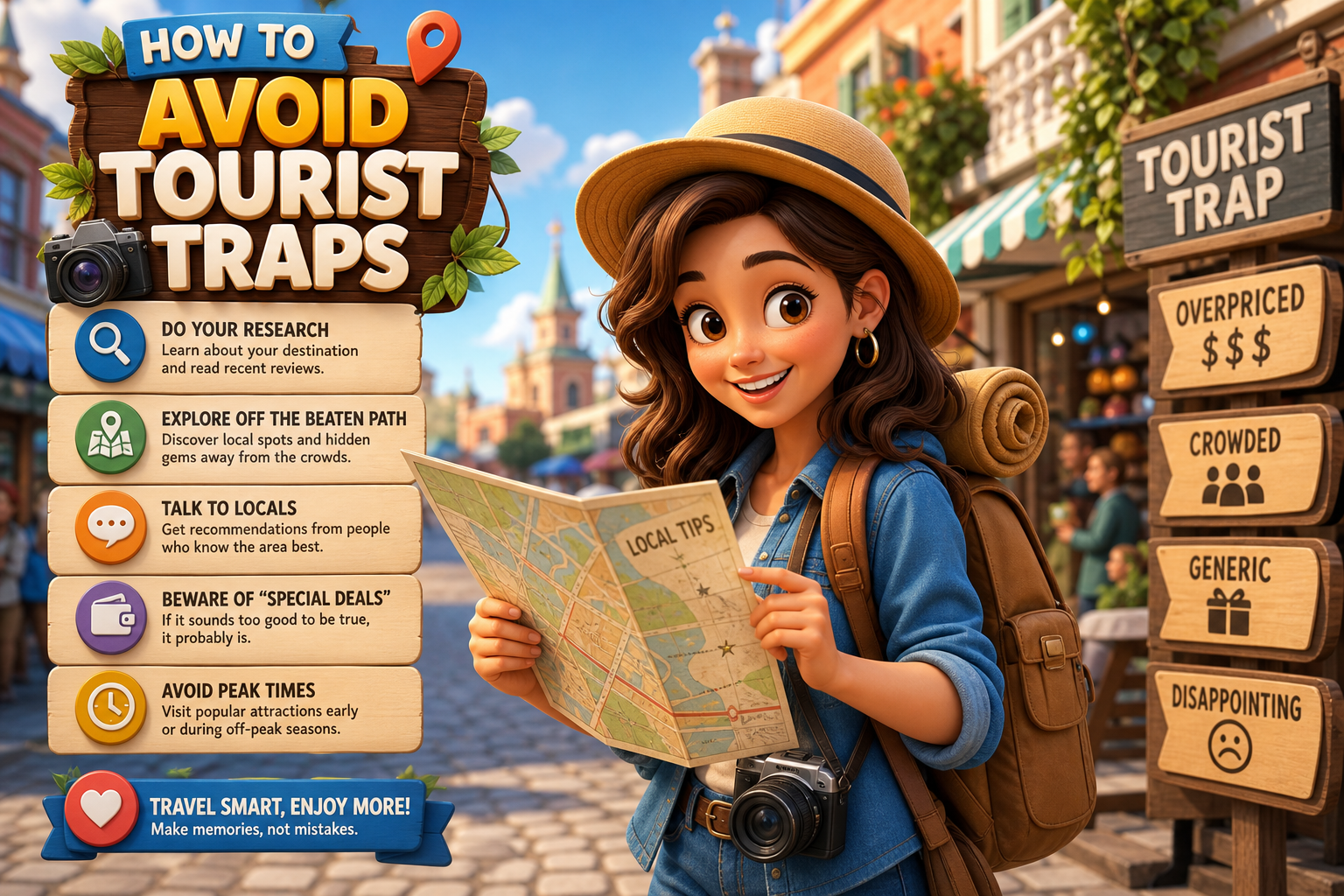
Your destination plays a big role in your overall travel costs. Some locations are known for being budget-friendly. For instance, countries in Southeast Asia, like Thailand and Vietnam, offer affordable food, accommodation, and activities. Eastern Europe is another great option, with countries like Hungary and Poland providing rich culture and history without breaking the bank. Before you decide, research the cost of living in various countries. This will help you find places where your money will stretch further.
Moreover, consider traveling during the off-peak season. This often means lower prices for flights and hotels. For example, visiting Europe in late fall or early spring can save you a lot compared to the summer months. Websites that compare flight prices can help you identify the best times to travel. Always look for places that offer free or low-cost attractions, like parks, beaches, or museums with no admission fees.
Finding Cheap Flights
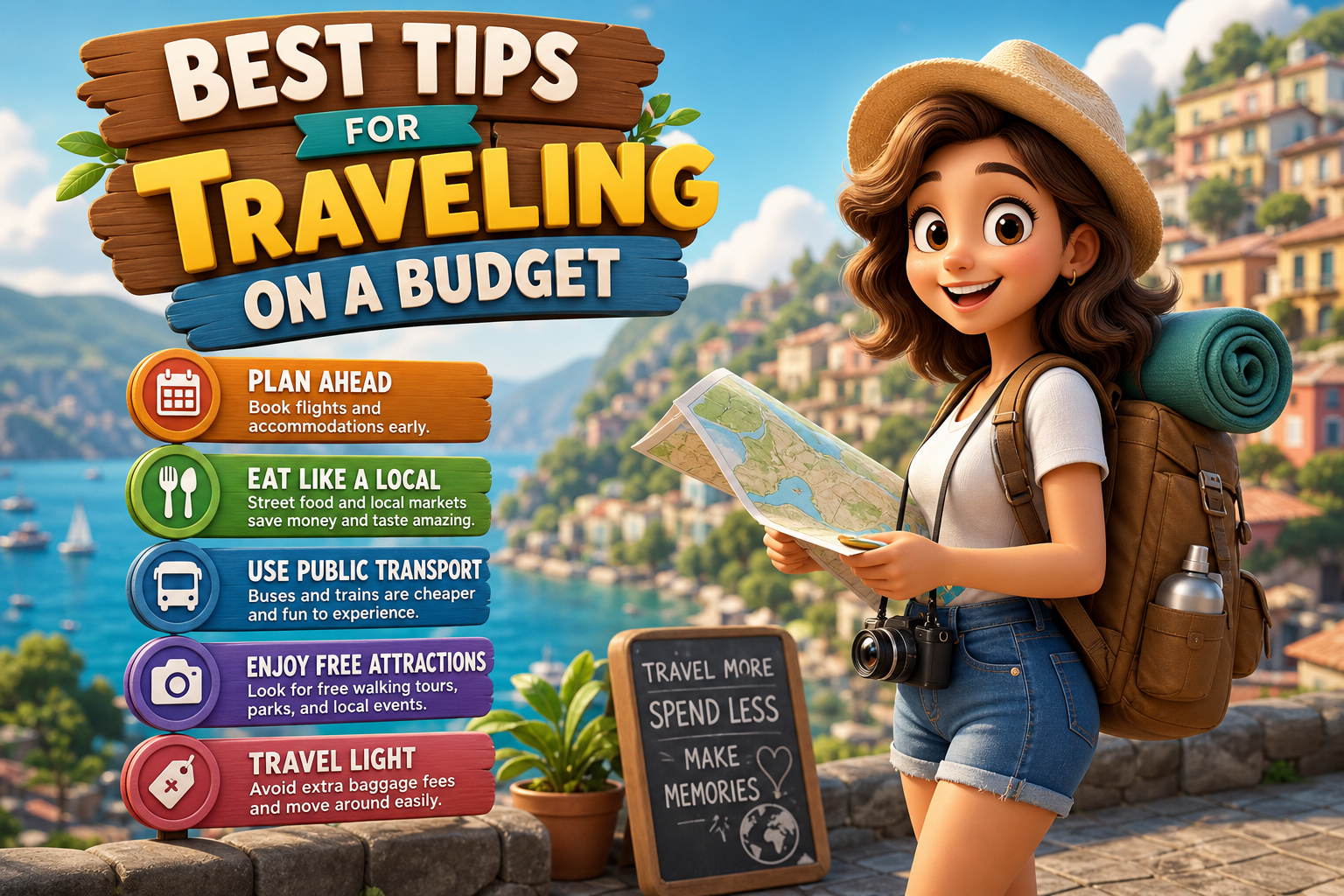
Airfare is usually one of the largest expenses when traveling. To find cheap flights, flexibility is key. Use flight comparison websites to browse various airlines and dates. Websites like Skyscanner or Google Flights let you see prices across different dates. Often, flying mid-week can save you money compared to weekend flights. Set up price alerts to notify you when fares drop. This way, you can book when prices are at their lowest.
Additionally, consider alternative airports. Sometimes, flying into a smaller airport can be cheaper than a major one. Just ensure to factor in any extra transportation costs to get to your final destination. Lastly, use loyalty points or travel rewards. Many credit cards offer points for travel purchases that can be redeemed for flights. This can significantly lower your travel expenses if you plan ahead and accumulate points effectively.
Affordable Accommodations
Where you stay can greatly affect your travel budget. Hotels can be expensive, especially in tourist areas. Instead, look into affordable alternatives. Consider hostels, which offer budget-friendly dormitory-style lodging. They are also great for meeting fellow travelers. Websites like Hostelworld can help you find the best options. Another great choice is renting a room or an entire home through platforms like Airbnb or Vrbo, which often cost less than hotels.
Moreover, look for accommodations that offer kitchen facilities. This allows you to prepare some of your meals, which can save money. Eating out can add up quickly, so cooking your breakfast or snacks can be a smart move. Also, check for places with free breakfast included. Every little bit helps when you are trying to cut costs. Remember to read reviews before booking to ensure safety and cleanliness.
Smart Eating on the Go
Food is another area where travelers often overspend. To eat on a budget, explore local markets instead of dining in touristy restaurants. Street food can be delicious and much cheaper. In many countries, you can enjoy authentic meals for just a few dollars. For instance, in Mexico, tacos from a street vendor can cost less than $2 each. Look for local dining options that offer lunch specials, as these are often cheaper than dinner prices.
Pack snacks for your day trips. Buying snacks at convenience stores or supermarkets is usually less expensive than purchasing them at tourist attractions. If you have access to a kitchen, consider cooking some of your meals. This not only saves money but can also be a fun way to try new recipes. If you do eat out, try to share meals with travel companions. Portions can be large, and sharing can help you save some cash while enjoying a variety of dishes.
Using Public Transportation
Getting around a new city can be costly if you rely solely on taxis or rideshares. Instead, use public transportation whenever possible. Most cities have extensive bus and train networks that are affordable and efficient. For example, in cities like Paris or Tokyo, public transport is both easy to use and budget-friendly. Check if there are daily or weekly passes available, as these can often save you money if you plan to travel frequently.
Walking is another excellent way to explore and is completely free. Many cities are walkable and have beautiful sights to see on foot. Bike rentals are also an option in many locations and can be a fun way to get around. Before traveling, research the public transport system of your destination. Knowing the routes can save you time and help you avoid getting lost.
Finding Free Activities
Traveling on a budget does not mean you have to miss out on fun experiences. Many cities offer free activities that can be enjoyable and enriching. Look for free walking tours, which are common in major cities around the world. These tours let you learn about the city from a local guide and often only ask for tips if you enjoyed the experience. Museums often have free admission days, so check their schedules before going.
Additionally, explore parks, beaches, and public squares. These areas can offer beautiful views and a chance to relax without spending money. Check local event calendars for festivals, concerts, or community events that are free to attend. Engaging with local culture can add a unique perspective to your trip while keeping costs low. Always keep an eye out for free attractions as you plan your itinerary.
Travel Insurance and Safety
While it may seem like an extra cost, travel insurance can save you money in the long run. It protects you against unexpected events like trip cancellations, lost luggage, or medical emergencies. Research different travel insurance plans and choose the one that fits your needs and budget. Many companies offer comprehensive coverage at reasonable prices. Always read the policy details carefully to understand what is included.
Staying safe while traveling can also help you avoid costly situations. Keep your belongings secure and be aware of your surroundings. Make copies of important documents like your passport and keep them separate from the originals. If you lose your wallet or passport, having copies will make it easier to report and replace them. Prepare for emergencies by knowing the local emergency numbers and locations of nearby hospitals. Being informed helps you stay safe and can save money if something goes wrong.
Planning Ahead
Lastly, effective planning is key to traveling on a budget. Start your research well in advance. This allows you to find the best deals on flights and accommodations. Create a daily itinerary that includes budget-friendly activities and meals. This will help you avoid overspending. Always have a clear plan, but stay flexible to seize any unexpected opportunities that may arise during your trip.
Using travel apps can aid your planning process. Many apps help you find discounts on attractions, restaurants, and more. Keep an eye on travel blogs or forums for insider tips from seasoned travelers. They often share the latest deals and tricks to save money. By planning thoroughly and staying organized, you can enjoy your travels without financial stress, making the most of every experience.