








Planning Your Route
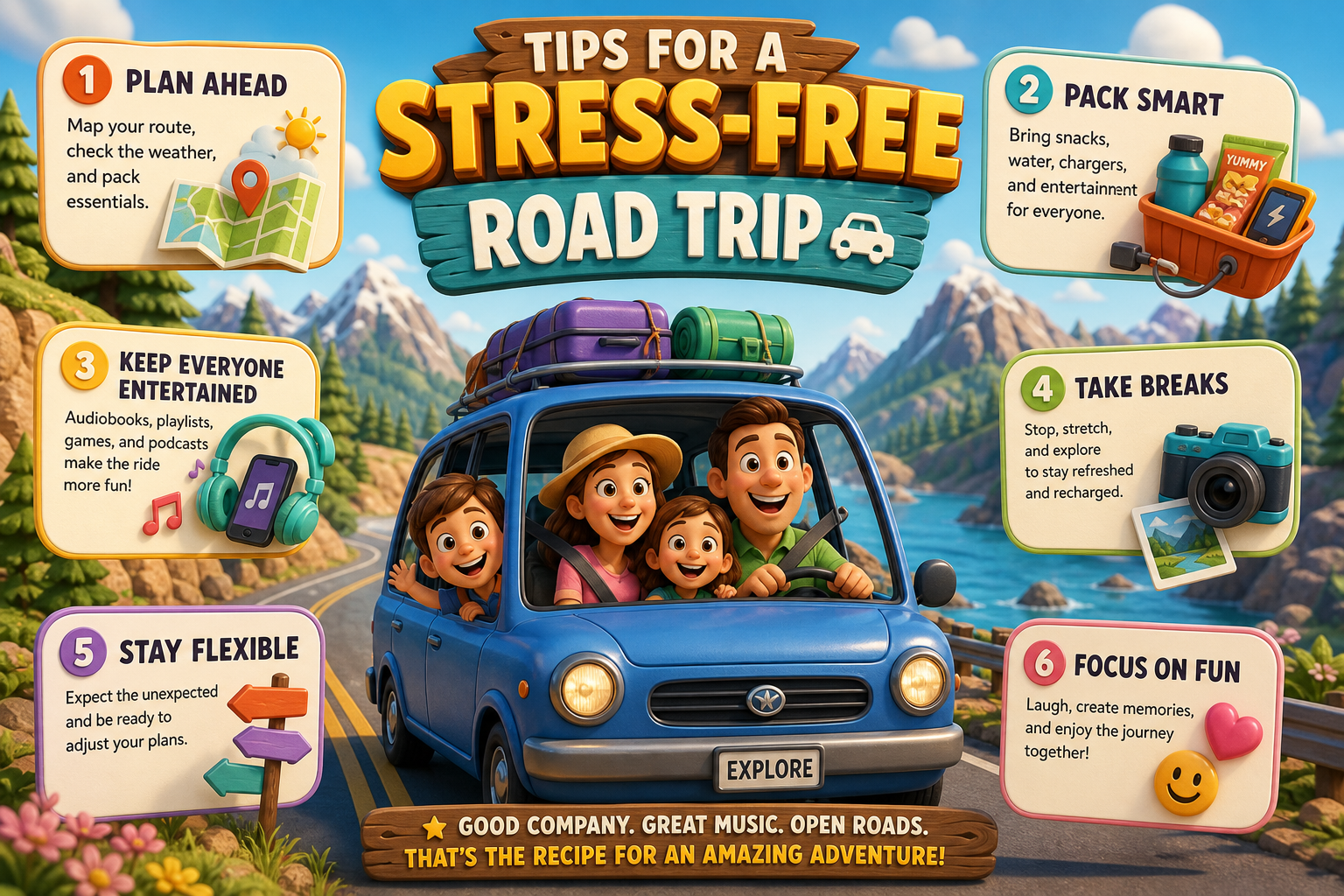
One of the first steps in achieving a stress-free road trip is planning your route wisely. Begin by deciding your starting point and final destination. Use tools like Google Maps or Waze for real-time traffic updates and alternative route suggestions. Consider the scenic routes, as they often provide beautiful views and interesting stops.
To avoid unexpected delays, check the weather forecast for your travel dates. Bad weather can significantly impact your driving experience. If you’re traveling through mountainous areas or along coastal roads, ensure you are prepared for changing conditions.
Additionally, make a list of potential stops along the way. Research attractions, parks, and local eateries that you would like to visit. This will not only break the monotony of long drives but also enrich your trip with memorable experiences.
Preparing Your Vehicle
Your vehicle is your lifeline during a road trip. Before hitting the road, conduct a thorough inspection. Check the oil level, tire pressure, and brake fluid. Ensure your windshield wipers are in good condition and that your headlights and taillights work properly. These steps help avoid breakdowns and enhance safety.
Consider scheduling a professional tune-up if your vehicle has not been serviced recently. A mechanic can identify potential issues you might overlook. Furthermore, pack an emergency kit with essentials such as water, snacks, a first-aid kit, jumper cables, and a flashlight. This preparation can provide peace of mind during your journey.
Packing Smart
Packing efficiently can make a significant difference in your comfort during the trip. Start by creating a packing list to ensure you do not forget any essentials. Include clothing suitable for the weather, toiletries, and any medications you might need. Roll your clothes instead of folding them to save space and minimize wrinkles.
Also, make sure to pack entertainment options. Download audiobooks, playlists, or podcasts before your trip. These can keep you engaged during long stretches of driving. Additionally, bring travel games or activities for passengers, especially if children are involved. This will reduce boredom and make the journey more enjoyable for everyone.
Setting a Comfortable Schedule
A flexible schedule is vital for a stress-free road trip. While it is essential to have a general plan, leave room for spontaneity. Allow yourself to make impromptu stops if something catches your eye. This flexibility can lead to discovering hidden gems along your route.
Consider breaking up long drives with rest stops. Aim to drive no more than 8 hours a day, and plan breaks every two to three hours. Use these breaks to stretch your legs, grab a snack, or explore a local site. This practice will help prevent fatigue and keep your spirits high.
Staying Hydrated and Fed
Maintaining energy levels on a road trip is important. Pack a cooler with healthy snacks such as fruits, nuts, and granola bars. These options are healthier than traditional road trip snacks like chips and candy. Staying hydrated is equally important. Bring plenty of water to avoid feeling sluggish.
Plan your meals ahead. Research restaurants or local food spots along your route. Consider trying regional specialties to enhance your travel experience. If you have dietary restrictions, find places that cater to your needs. This will ensure you have enjoyable meals throughout the journey.
Entertainment Options for Everyone
Keeping everyone entertained can greatly reduce stress during long drives. If you have children, pack activities like coloring books, travel-sized games, or tablets loaded with their favorite shows. This keeps them engaged and minimizes complaints about boredom.
For adults, consider creating a road trip playlist featuring everyone’s favorite songs. Sing-alongs can lighten the mood and create lasting memories. Additionally, audiobooks can be a great way to immerse the group in a story while driving. Choose genres that appeal to everyone to keep the atmosphere fun and engaging.
Managing Expectations
It is important to manage expectations for your road trip. Understand that not everything will go as planned. Traffic jams, weather changes, or unexpected detours can happen. Instead of stressing over these situations, embrace them as part of the adventure.
Communicate with your travel companions about your plans and any possible changes. This transparency can help everyone stay on the same page and reduce frustrations. Remember, the ultimate goal of the trip is to enjoy the journey together, not just reach the destination.
Using Technology Wisely
In today’s world, technology can be your best friend on a road trip. Use navigation apps to stay updated on traffic, road conditions, and points of interest. However, don’t rely solely on your device. Bring a physical map as a backup, especially if you plan to travel through areas with limited cell service.
Additionally, consider downloading offline maps and entertainment options. This way, you won’t face interruptions if you lose internet access. Also, inform your family or friends of your route and expected arrival times. This provides an extra layer of safety and reassurance during your travels.
Creating a Comfortable Environment
Comfort is essential for a stress-free road trip. Adjust the seating to ensure everyone is comfortable, and consider bringing neck pillows for added support. Use blankets for warmth during cooler weather. If you are traveling with pets, ensure they are secured safely and have their own space.
Keep the car organized. Use storage bins or bags to separate snacks, entertainment, and essentials. This organization helps avoid clutter and makes it easier to find what you need when you need it. Additionally, consider playing soothing music or nature sounds to create a calming atmosphere during the drive.
Documenting the Journey
Recording memories can enhance your road trip experience. Bring a camera or use your smartphone to capture moments along the way. Encourage everyone in the group to take photos, as this adds different perspectives to your journey. Create a shared album online where everyone can upload their favorite pictures.
Consider keeping a travel journal. Documenting your experiences, thoughts, and feelings during the trip can be a rewarding practice. It allows you to reflect on your adventure and share stories with others later. This documentation creates lasting memories and serves as a keepsake from your travels.
Dealing with Unexpected Situations
No road trip is complete without a few surprises. Whether you experience a flat tire, a sudden change in weather, or a wrong turn, it is essential to stay calm. Prepare for emergencies by having a roadside assistance plan in place. This can provide peace of mind and help you feel secure during your travels.
When faced with unexpected situations, take a deep breath and assess the situation. If you encounter a flat tire, pull over safely and follow the necessary steps to change it or call for help. If you get lost, use your maps or GPS to find your way. Approach these challenges with a positive attitude and remember they contribute to your adventure.
Reflecting on the Experience
Once your road trip concludes, take time to reflect on your experience. Discuss with your travel companions what you enjoyed the most, what surprised you, and what you would do differently next time. This reflection can enhance future trips and help you grow as travelers.
Consider creating a scrapbook or a digital montage of your adventure. This can be a fun way to commemorate your journey and share it with friends and family. Sharing your experiences can inspire others to embark on their own road trips, creating a ripple effect of travel enthusiasm.