






Understanding the Current COVID-19 Situation
As of October 2026, the world has made significant progress in managing COVID-19, but safety remains a priority for travelers. Vaccination rates are high, and many countries have relaxed restrictions, yet the virus still exists. Understanding the current situation is vital. The World Health Organization (WHO) continues to provide updates on variants and necessary precautions. Staying informed helps travelers make safe decisions.
When considering travel, check the COVID-19 situation in your destination. Some regions might still experience outbreaks, while others have very low cases. This knowledge helps in making informed choices about where to go. Additionally, local guidelines and regulations can vary significantly, impacting travel plans. Always research your destination’s health protocols before departure.
Choosing Safe Destinations
Choosing the right destination is important for safe travel during COVID-19. Some places are more prepared than others to handle health threats. Research destinations that have high vaccination rates and low infection rates. Countries like Canada, Australia, and New Zealand have robust health systems and have managed COVID-19 effectively.
Check travel advisories from trusted sources like your government’s travel department or health organizations. Look for places that prioritize health protocols. For example, some countries have established health passes that show vaccination status, allowing for safer entry into venues and events. This can enhance your travel experience while ensuring safety.
Preparing for Your Trip
Preparation is key to maintaining safety during travel. Start by booking flexible travel options. Look for airlines and hotels that allow changes without hefty fees. This flexibility is important if you need to adjust your plans due to a sudden rise in COVID-19 cases.
Pack essentials that will help keep you safe. Bring masks, hand sanitizer, and disinfectant wipes. These items are important for protecting yourself in public spaces. Before heading out, make sure to check if your destination requires specific health documents, such as proof of vaccination or negative test results. Being prepared will help ease your travel experience.
Health and Safety Precautions while Traveling
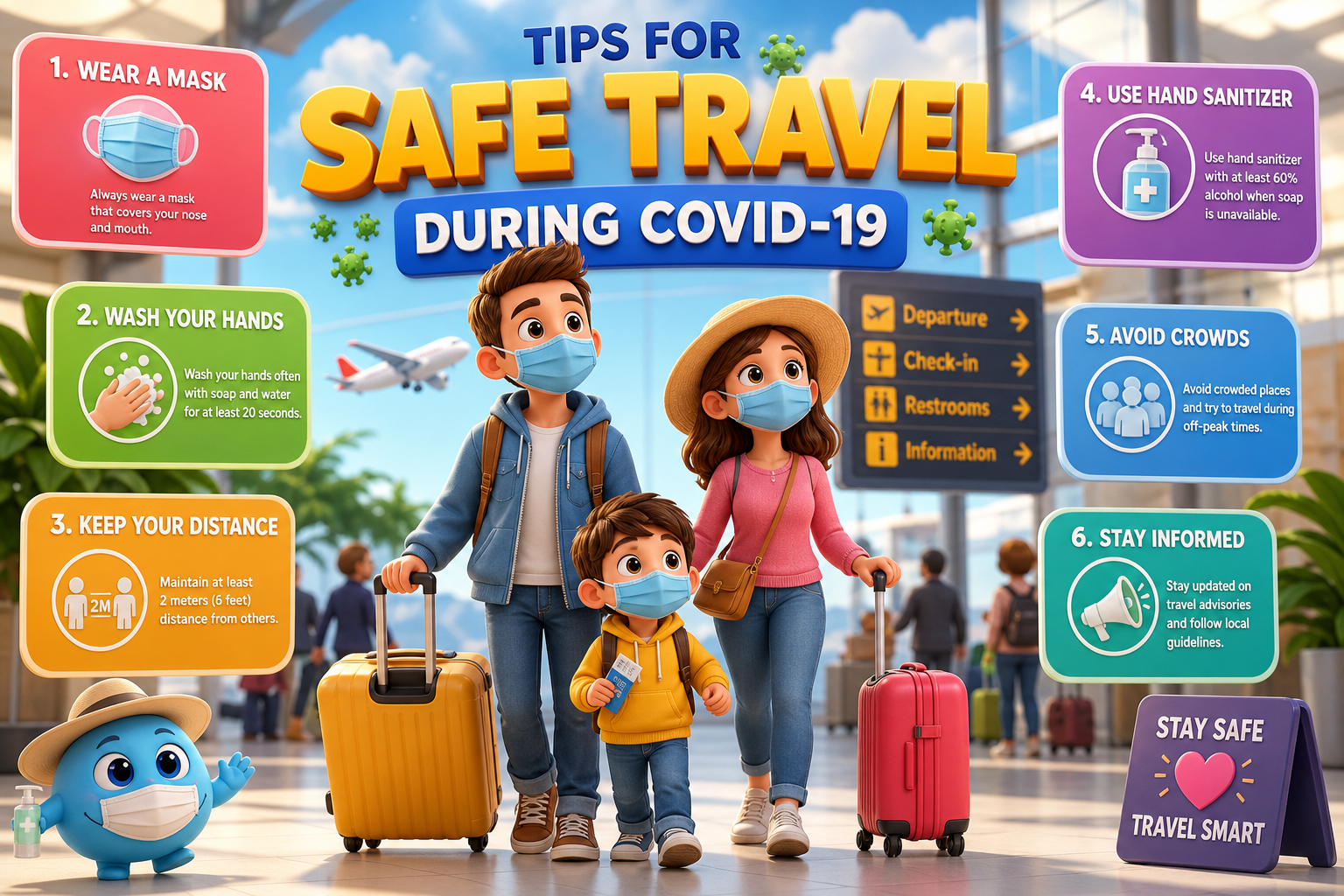
While traveling, maintaining health and safety precautions is essential. Always wear a mask in crowded places and public transport. This simple act can significantly reduce your risk of exposure to COVID-19. Additionally, practice good hand hygiene by washing your hands frequently with soap and water or using hand sanitizer when necessary.
Maintain distance from others when possible. Try to avoid crowded areas, especially indoors. When dining, consider outdoor seating which often reduces the risk of transmission. If you are traveling with family or friends, keep your group small. This approach reduces exposure and makes it easier to follow safety protocols.
Staying Informed About Local Guidelines
Different regions have different COVID-19 guidelines. Staying informed about local health regulations is vital for safe travel. Before you travel, check for any restrictions such as curfews, mask mandates, or capacity limits at attractions. This information can often be found on local government websites or social media pages.
During your trip, stay updated on any changes in local guidelines. If new restrictions are announced, adjust your plans accordingly. For example, if a city suddenly reinstates a mask mandate, ensure you comply to protect yourself and others. This awareness can help you avoid fines and contribute to community health efforts.
Using Technology for Safety
In 2026, technology plays a significant role in ensuring safe travel. Several applications can help you stay informed about COVID-19 updates in real time. For instance, apps like COVID Alert provide notifications about local outbreaks and health guidelines. Download apps relevant to your travel destination to stay updated.
Additionally, consider using contactless payment methods when possible. This reduces physical contact and helps maintain hygiene. Many restaurants, hotels, and attractions offer digital check-ins and mobile ordering. These features can enhance your safety while providing convenience during your travels.
Travel Insurance Considerations
Travel insurance is more important than ever in the current climate. Look for policies that cover COVID-19-related issues, such as trip cancellations or medical emergencies. Many insurance companies now offer plans specifically designed for pandemic-related situations. It’s important to read the fine print to understand what is covered.
Consider purchasing insurance that includes coverage for unexpected quarantines. If you test positive while traveling, you may need to extend your stay. Having insurance can help alleviate the financial burden of unexpected expenses. Before choosing a policy, compare different options to find the best fit for your needs.
Health Tips During Your Stay
Once you arrive at your destination, continue to prioritize your health. Keep a supply of masks and hand sanitizer accessible. If you plan to visit tourist attractions, check their health protocols in advance. Some places may require reservations or limit the number of visitors, which can help reduce crowding.
Maintain a routine that includes healthy eating and adequate hydration. Travel can disrupt normal habits, but staying healthy is important for keeping your immune system strong. If possible, choose accommodations that offer healthy food options. This can make a significant difference in how you feel during your trip.
Return Home Safely
After your trip, it is important to follow proper protocols when returning home. Monitor your health for any signs of COVID-19 for at least 14 days after your return. If you experience symptoms, get tested promptly. Many countries recommend that travelers take a COVID-19 test within a few days of returning.
Also, be aware of any quarantine requirements upon returning. Some regions may require a period of quarantine, especially if you traveled to areas with high infection rates. Following these guidelines helps protect your community and ensures a smoother transition back to your routine.
Conclusion: Travel Responsibly
Traveling during COVID-19 presents unique challenges, but with careful planning and awareness, you can enjoy safe travel experiences. By understanding the current situation, choosing safe destinations, and taking necessary precautions, you can minimize risks while exploring the world. Remember to stay informed, use technology wisely, and prioritize your health and safety.
In 2026, as we adapt to living with COVID-19, responsible travel becomes essential. Make informed decisions and respect local guidelines wherever you go. Travel can be enjoyable and safe with the right approach. Embrace your wanderlust while keeping yourself and others safe.